There has been a lot of debate among a lot of people over whether eating meat, being vegetarian or being vegan is the ‘most ethical’. It is a stereotype that all vegans are militant and all meat-eaters are uncaring and hate animals. In my experience, a small minority of vegans (at my university, we had a bitter confessions page debate about this) are militant while the majority just want to not eat animal products in peace. In contrast, most meat-eaters don’t care whether someone else eats meat or not. Personally, I am a pescetarian (I eat fish, eggs, dairy – I personally try to use soy milk etc but pescetarians generally eat fairy) but not meat. Today, I would like to explore what we actually mean by eating ‘ethically’ and what can we do to make sure our lifestyles are a bit more ethical.
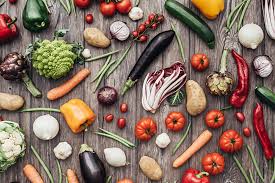
What most people mean by ethical is bringing the least harm possible. However, what is debated is the most harm to who? I will focus on three main areas that will examine what is the most ethical way of eating. I would like to say that this is only my opinion, formed from the information I have read and my own experiences. I know that people will disagree and I respect that. However, what I found when people I know were having this debate is that everyone was saying ‘no we have to be nice’, fine, ‘so that they’ll see we’re right and come over to the “right” side’. In my opinion, this is very patronising and all I am trying to do here is present my opinion.
Right, disclaimer done with. Let’s go over some terminology. Omnivores eat meat, dairy, fish, veg, everything. Vegetarians eat veg, dairy and eggs but not meat or fish. Vegans eat no animal products at all. There are degrees of this – some exclude only animal products from their diets, some exclude foods made with animal products in their process but not in the final product and some exclude leather shoes, fur coats and makeup products with beeswax in. Pescetarians, as we have already said, eat anything but meat.
Now that that is done, I will start with my first area.
- Animals
This is where most peoples’ first thoughts come to when they think about going vegetarian or vegan. And rightly so, for it is a large part of the reason why people go vegetarian or vegan in the first place. According to the Vegetarian Society (stats cited at the bottom), nearly 1.2 million people are vegetarian in the UK and over 600,000 are vegan, together amounting to around 3% of the population. I personally stopped eating meat because I happened to catch sight of some cows out of my car window one morning. That might sound silly – especially as they were dairy cows – but it got to me.
I plan to cut out fish as well in the coming months. I think it is unquestionable that the best way to eat ‘ethically’ – if, by ethically, you mean ‘for the good of animals’ – is to not eat meat or animal products (with the notable exception of honey, as bees need it to be harvested to remain healthy and agave is not good for the environment with harvested in large quantities). However, I think that it is a personal decision and it is not my place to tell anyone what to eat.
I will now, if you’ll allow me, to rant about something that annoys me.
I know it is possible to eat vegan on a budget. Plenty of people say it is hard to be vegan on little money because vegetables are expensive. I shop at Aldi and have found that not to be the case, however I know not everywhere has an Aldi. I also think that it needs to be said that it is not the place of those who can afford it to tell those who cannot that they should have to go without the things that those with more money have never had to be without in order to be vegan/vegetarian. Sure, vegetables and grains are nice, but if you can afford meat-free burgers and expensive health foods, you should not (in my opinion) be telling those who cannot afford these that they can be vegan/vegetarian without them. They can, but you don’t have to so they shouldn’t have to either.
I would also like to mention that not eating meat becomes complicated by the next item on my list and I am now going to explain why not eating meat might not be the best way to go if you want to eat environmentally.
2. Environmental
We know that cows produce a lot of methane and that animal farming uses up way more land and water than arable farming. In this respect, eating animal products is not good for the environment.

However, I would argue that the fuel it took to fly my quinoa to the UK or the factory run-off from making ‘vegan’ (read ‘plastic’) leather or the factory that pressed my soy into a burger shape gave off far more harmful gas than animal farming. Now, by animal farming, here, I mean free-range. I am fully against intensive farming because that has a measurable impact on the environment and is unnecessarily cruel to animals. I think there is something more effective than removing meat and dairy from our diets that we could do to protect the environment. As someone from a farming county, eating local is key to lowering the environmental impact of our diet. A piece of beef from 2 miles up the road, raised on free pastures, no factory farming and delivered to my house by car or having walked to buy it from the butcher has far less environmental impact than the quinoa I had for lunch.
Additionally, my Doc Martens are leather, I accept that, but they will last for 10+ years if I look after them. The ‘vegan’ alternative will likely not last half as long (although some vegan leather is not made of plastic, so that is definitely worth looking into as a source of leather). Fast fashion is having a huge environmental impact and ‘vegan’ products that get constantly thrown away will not help.
3. Personal/Health
Some people introduce or remove things like dairy, meat and vegetables from their diets for health reasons. If you do this, it is important to do what is right for you. A lot of the time people who are militant on any angle of this debate do not consider that people with iron deficiency cannot go without meat, or those with digestive problems might have to go without meat, or that those with nut, bean or soy allergies will really struggle to eat without meat or dairy, especially if that is compounded by gluten or dairy intolerance.
If you do go vegan/veggie, make sure you are getting enough iron and protein. It is often ignored because it is taken as a jibe, but iron deficiency is a really big problem for first-time veggies. Take supplements (check the label and probably check with your doctor first) or increase your intake of beans, pulses and green leafy veg like spinach.
If you start eating meat or eat it for the first time, remember – chicken and all other white meat must be completely cooked through, no visible pink plus a few extra minutes. Dark meat, like beef, is safer to eat at any stage of cooking (some beef is eaten completely raw) but please double check it is cooked before eating it.
Whether to eat meat or not is a difficult decision because there is so much conflicting information out there. Definitely go out and do your own research but ultimately, do what is right for you.
To conclude, I think that there are merits and downsides to eat meat, eating vegan/vegetarian and eating local. I will put a summary below and please tweet me (without abuse, if possible) what you think.
Meat:
- Pros: I don’t know about you, but I like meat even though I don’t eat it – it tastes nice. Can be cultivated all over the world – easier to buy local. Rich source of fat, protein and energy.
- cons: You do have to kill animals, often uses intensive farming so bad conditions, some meat is fatty and linked to increased risk of disease (red meat mainly).
Vegan/Veggie
- Pros: usually eat more vegetables, you don’t have to kill animals, can be healthier, usually cheaper but depends what you buy, can be environmentally friendlier
- cons: hard to eat out (many restaurants do not have vegan options), lots of products imported and processed (more so than meat), not always environmentally friendliest.
Local
- pros: environmentally friendliest, support local farmers, depending on region, large choice. Less processed.
- cons: sometimes more expensive, depending on region, low choice (the UK can only grow really dull vegetables and we don’t have a fruit climate really).
And finally, for the love of God, people are not ‘bad’ or ‘good’ based on what they eat. Take a minute to consider that.
Happy reading!
 Read With Me